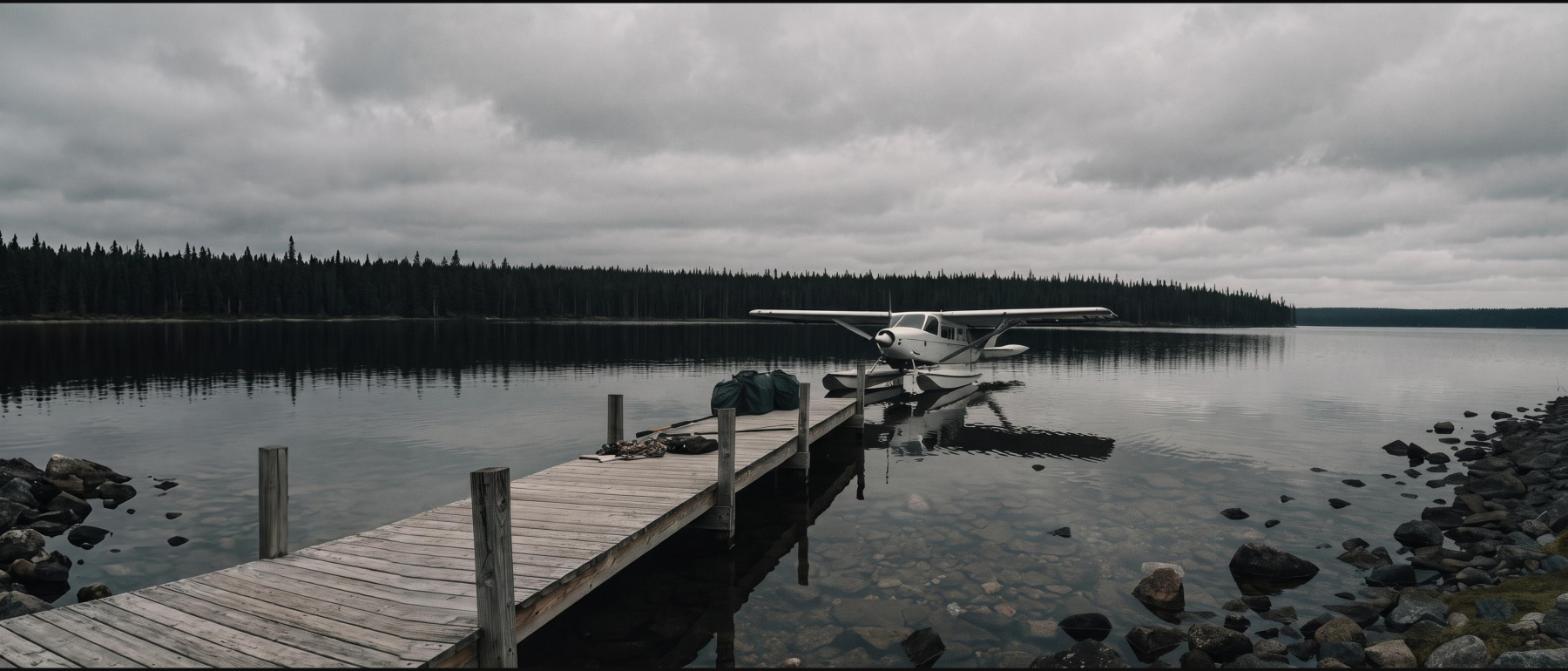
Gear that works fine at home behaves differently up here. The difference is not cold, and it is not rough use. It is that nothing ever fully dries. Between the lake, the rain, the boat, and a cabin that is humid regardless of what the stove is doing, anything absorbent stays damp from the day you land to the day you fly out.
That is the quiet reason experienced guests end up replacing their leather carry gear with moulded thermoplastic.
What Water Actually Does to a Sheath
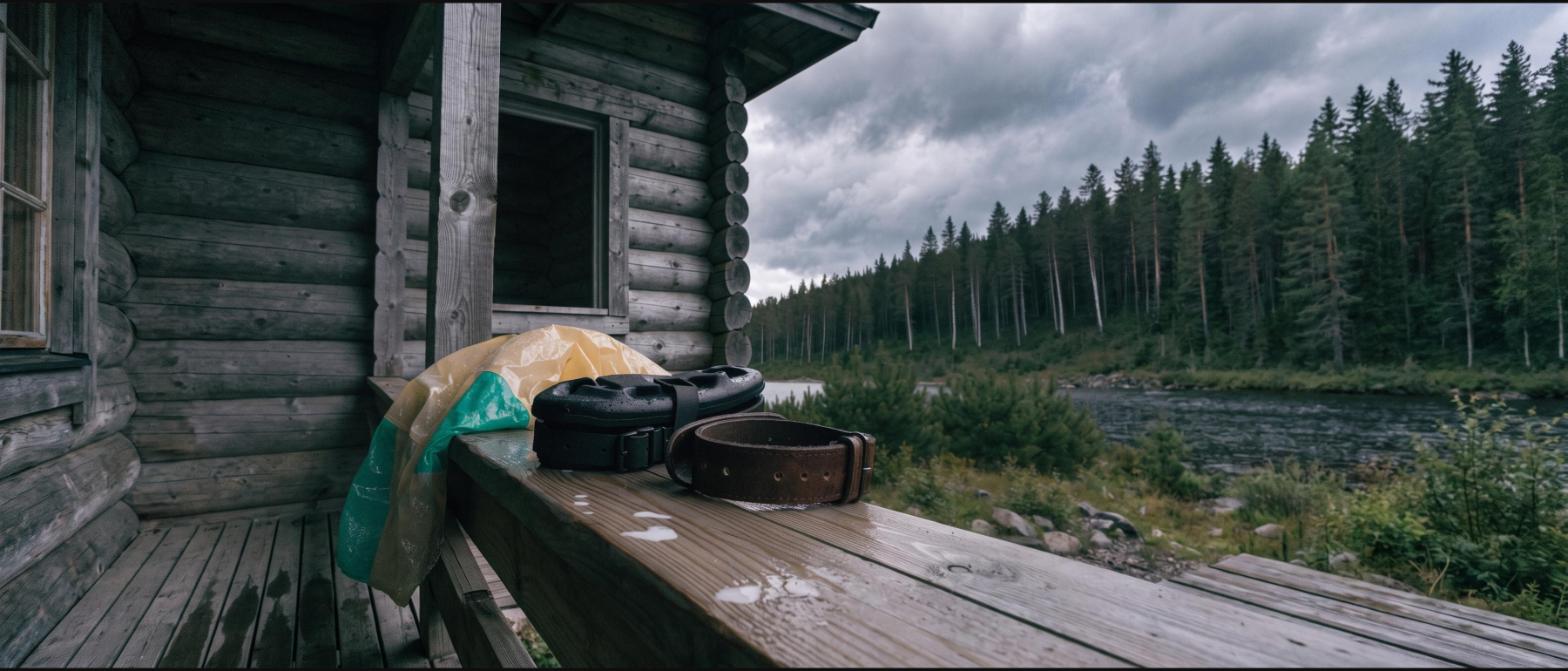
Leather absorbs. A wet sheath swells, loses its shape, and grips the blade differently than it did when you packed it. Dry it near a stove and it shrinks and hardens instead. Worse, veg-tanned leather carries residual tannic acid, and a knife left in a damp sheath overnight will come out with rust spots on a carbon steel blade — which is why old-timers will tell you never to store a blade in leather.
None of this happens with Kydex. It is a thermoplastic sheet, heat-formed around the item it holds, and it does not absorb water, swell, stretch, rot or hold acid against steel. You can dunk it in the lake and wipe it off. Retention is mechanical — the shell is moulded to the exact shape, so it clicks in and holds regardless of how wet it is.

Watch: Leather vs Kydex Holster Comparison (YouTube)
Same Material, Different Jobs
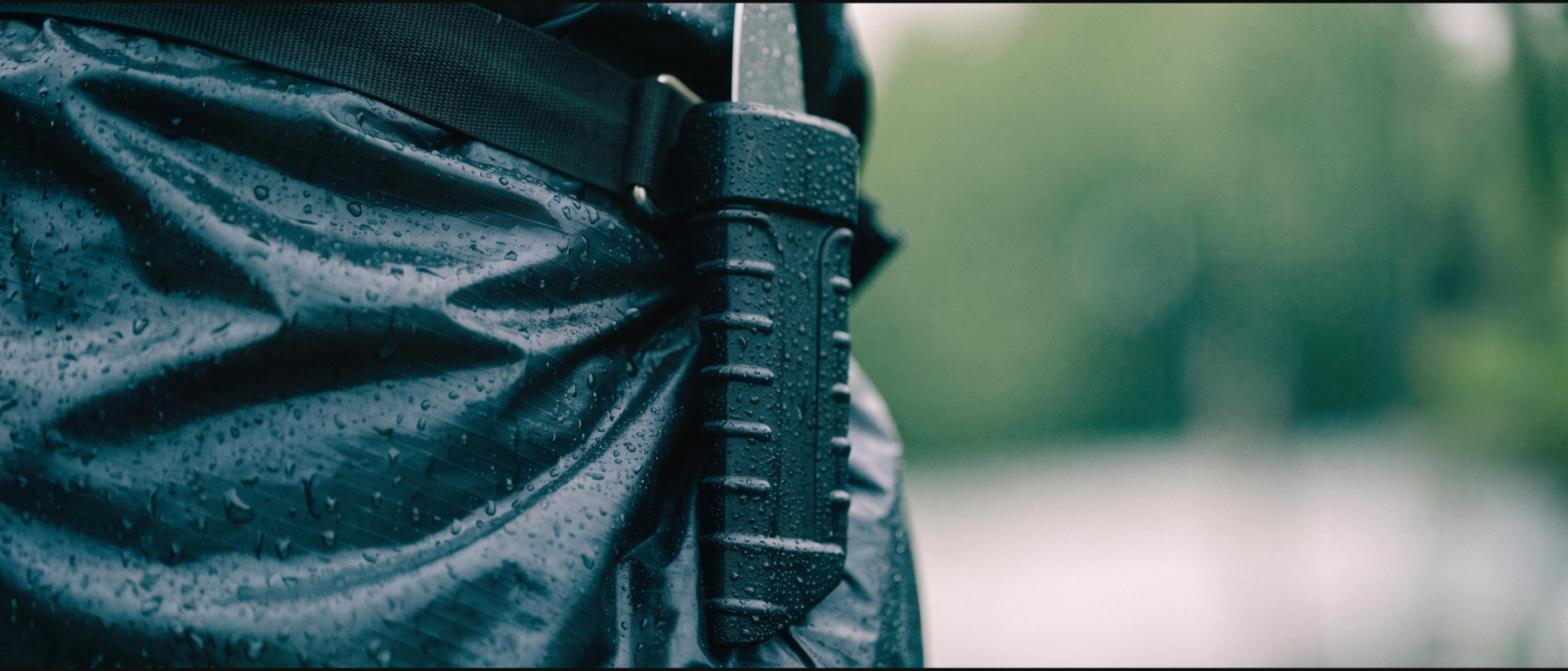
Most of the development in this material has come out of the shooting world — the makers producing custom kydex holsters are the same people who worked out how to get reliable retention, adjustable cant and belt attachments that do not rattle loose. That knowledge transfers directly to a fillet knife sheath, a bear spray carrier, a multi-tool pouch or a GPS holder.
For a fishing camp the useful part is the belt attachment, not the shell. A clip that releases when you sit down in a boat is a lost knife in forty feet of water. Look for a fixed loop or a locking attachment rather than a friction clip.
Two Things Worth Knowing Before You Fly
First, handguns. If you are coming from the States, Canadian law is far stricter than you are used to, and non-residents cannot simply bring a pistol across — long guns for hunting have a declaration process, handguns effectively do not. Whatever your holster situation at home, plan around that before you book anything.
Second, weight. Float planes have hard payload limits and the camp will tell you the number. Kydex is light, which helps, but the real saving is that you are not packing a spare because the first one got soaked.
It is not pretty gear. It is loud against a gunwale and it will never develop a patina. For a week where everything stays wet, that is a fair trade.